Manwal tal-Istruzzjonijiet tar-Regolaturi tal-Ossiġnu u l-Aċetilena tas-Serje ESAB Victor G250
Model: G250 Series | Brand: ESAB
1. Introduzzjoni u Fuqview
This manual provides essential information for the safe and effective use of your ESAB Victor G250 Series Oxygen and Acetylene Regulators. These single-stage regulators are designed for applications where slight delivery pressure increases will not significantly affect work performance or test results. The G250 series is engineered for everyday gas regulation needs with no reduction in quality, making them suitable for medium-duty industrial applications.
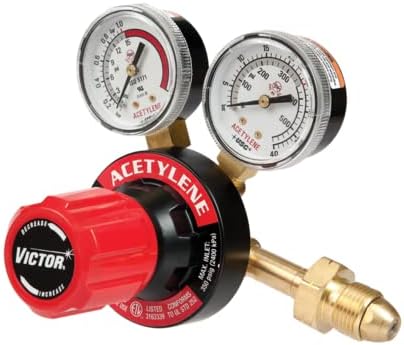
G250-15-510 Acetylene Regulator: Specifically designed for acetylene gas.
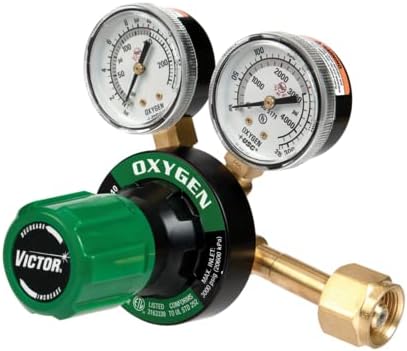
G250-150-540 Oxygen Regulator: Specifically designed for oxygen gas.
Ergonomic Color-Coded Adjustment Knob: Facilitates easy and intuitive pressure adjustments.
High Contrast Gauge Face: Ensures clear readability of pressure readings.
Disinn kompatt: Allows for easier handling and integration into various setups.
Image 1.1: A set of Victor G250 Oxygen (green knob) and Acetylene (red knob) regulators, showing their compact design and clear gauges.
2. Informazzjoni dwar is-Sigurtà
TWISSIJA: Failure to follow these safety instructions can result in serious injury or death. Always refer to local safety regulations and standards for gas handling and welding operations.
Aqra l-Istruzzjonijiet Kollha: Before installing, operating, or maintaining these regulators, read and understand all instructions and safety warnings in this manual and on the gas cylinders.
Tagħmir Protettiv Personali (PPE): Always wear appropriate PPE, including safety glasses, gloves, and protective clothing, when handling gas cylinders and regulators.
Ventilazzjoni: Ensure adequate ventilation in the work area to prevent the accumulation of hazardous gases.
Kompatibbiltà tal-gass: Use only the correct regulator for the specific gas. Oxygen regulators are for oxygen only; acetylene regulators are for acetylene only. Never interchange regulators between different gases.
Cylinder Handling: Secure gas cylinders in an upright position to prevent tipping. Handle cylinders with care; never drop or strike them.
Ittestjar tat-tnixxija: Always perform a leak test using a non-flammable leak detection solution after connecting regulators and before opening cylinder valves. Never use an open flame to check for leaks.
Pressure Relief Devices: M'għandekx tamper with or bypass any pressure relief devices on the regulators or cylinders.
Materjali li jaqbdu: Keep regulators and gas cylinders away from sources of ignition, heat, and flammable materials.
Manutenzjoni: Only qualified personnel should perform maintenance or repairs on gas regulators.
3. Kontenut tal-Pakkett
Your ESAB Victor G250 Series Regulators package typically includes:
1 x Victor G250 Oxygen Regulator (CGA 540 inlet connection)
1 x Victor G250 Acetylene Regulator (CGA 510 inlet connection)
Inspect all components for any signs of damage during shipping. If any items are missing or damaged, contact your supplier immediately.
4. Istruzzjonijiet ta' Setup
Follow these steps carefully to set up your Victor G250 regulators:
Prepare the Cylinder Valve: Before attaching the regulator, briefly open and close the cylinder valve (known as 'cracking' the valve) to blow out any dust or debris from the outlet. Stand to the side of the valve opening when doing this.
Attach the Oxygen Regulator:Image 4.1: Close-up of the Victor G250 Oxygen Regulator with its green adjustment knob and two gauges.Connect the Victor G250 Oxygen Regulator (green knob) to the oxygen cylinder valve. Ensure the threads align correctly (CGA 540 for oxygen). Hand-tighten first, then use an appropriate wrench to securely tighten the connection. Do not overtighten.
Attach the Acetylene Regulator:Image 4.2: Close-up of the Victor G250 Acetylene Regulator with its red adjustment knob and two gauges.Connect the Victor G250 Acetylene Regulator (red knob) to the acetylene cylinder valve. Ensure the threads align correctly (CGA 510 for acetylene). Hand-tighten first, then use an appropriate wrench to securely tighten the connection. Acetylene connections are typically left-hand threaded.
Qabbad Manek: Attach the appropriate hoses to the regulator outlets. Ensure all hose connections are tight and secure.
Close Regulator Adjustment Knobs: Before opening the cylinder valves, turn the regulator adjustment knobs counter-clockwise until they feel loose. This ensures no pressure is applied to the system when the cylinder valve is opened.
5. Istruzzjonijiet Operattivi
Follow these steps for safe operation of your Victor G250 regulators:
Open Cylinder Valves: Slowly open the oxygen cylinder valve all the way. For acetylene, open the cylinder valve no more than 1.5 turns (or until the valve is fully open, whichever is less) to allow for quick shut-off in an emergency. The high-pressure gauge on each regulator will now show the cylinder pressure.
Iċċekkja għal Tnixxijiet: Apply a non-flammable leak detection solution to all connections (cylinder to regulator, regulator to hose). Look for bubbles, which indicate a leak. If a leak is detected, close the cylinder valve, relieve pressure, and re-tighten the connection. Repeat the leak test.
Issettja l-Pressjoni tax-Xogħol: Slowly turn the regulator adjustment knob clockwise until the desired working pressure is indicated on the low-pressure gauge. Adjust gradually to avoid sudden pressure surges.
Ibda x-Xogħol: Once the desired pressures are set and no leaks are present, you can begin your welding or cutting operation according to your equipment's instructions.
Proċedura tat-Tfiq: When finished, first close the cylinder valves. Then, open the torch valves (or other downstream equipment) to bleed off all gas from the hoses and regulators until both regulator gauges read zero. Finally, turn the regulator adjustment knobs counter-clockwise until they are loose to release spring tension.
6. Manutenzjoni
Proper maintenance ensures the longevity and safe operation of your regulators.
Spezzjoni regolari: Periodically inspect regulators for any signs of damage, such as bent gauges, damaged threads, or cuts in the diaphragm. Replace damaged regulators immediately.
Indafa: Keep regulators clean and free from oil, grease, and other contaminants, especially oxygen regulators, as these can react violently with oxygen.
Ħażna: When not in use, store regulators in a clean, dry place, protected from physical damage and extreme temperatures.
Servizzi Professjonali: Regulators should be serviced or repaired only by qualified technicians using genuine replacement parts. Do not attempt to repair regulators yourself.
7 Issolvi l-problemi
This section addresses common issues you might encounter with your regulators.
Problema
Kawża Possibbli
Soluzzjoni
No pressure reading on high-pressure gauge
Cylinder valve closed or empty cylinder
Open cylinder valve fully (oxygen) or 1.5 turns (acetylene). Check cylinder contents.
No pressure reading on low-pressure gauge
Regulator adjustment knob not turned in (clockwise)
Slowly turn adjustment knob clockwise to set desired working pressure.
Gas leak at connections
Loose connection or damaged sealing surface
Close cylinder valve, relieve pressure, re-tighten connection. Perform leak test. Inspect threads and sealing surfaces for damage.
Fluctuating delivery pressure
Cylinder pressure too low or internal regulator issue
Check cylinder pressure; replace if low. If problem persists, regulator may require professional servicing.
If you encounter issues not listed here or if solutions do not resolve the problem, discontinue use and contact a qualified technician or ESAB customer support.
8. Speċifikazzjonijiet
Key specifications for the ESAB Victor G250 Series Regulators (Model 0781-3287):
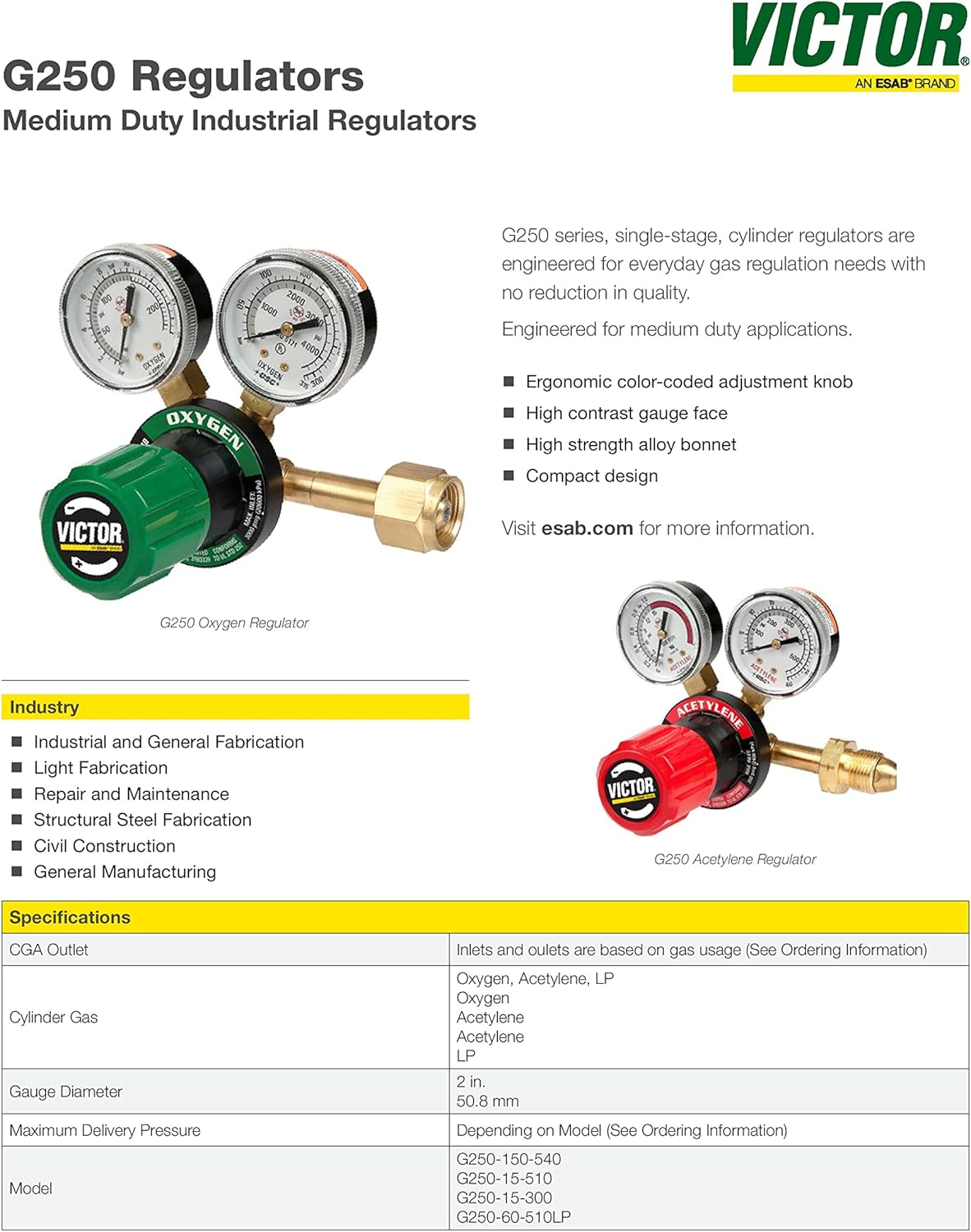
Image 8.1: Product sheet detailing features and specifications of Victor G250 Oxygen and Acetylene Regulators.
Karatteristika
Dettall
Manifattur
ESAB
Numru tal-Parti
0781-3287
Piż tal-oġġett
6.98 pounds (set)
Dimensjonijiet tal-Pakkett
9.25 x 9.25 x 9.06 pulzieri
Numru tal-Mudell tal-Oġġett
0781-3287 (G250 Series)
Tip ta 'Regolatur
Single-stage
Oxygen Regulator Model
G250-150-540
Acetylene Regulator Model
G250-15-510
Cylinder Gas Compatibility
Oxygen, Acetylene
Dijametru tal-kejl
2 pulzieri (50.8 mm)
9. Garanzija u Appoġġ
For warranty information and customer support regarding your ESAB Victor G250 Series Regulators, please contact ESAB directly or refer to the official ESAB websit. It-termini u l-kundizzjonijiet tal-garanzija jistgħu jvarjaw skont ir-reġjun u d-data tax-xiri.
You can visit the official ESAB store for more information: ESAB Store on Amazon
Dokumenti Relatati - G250
ESAB TRACFINDER WHEEL: Betjeningsvejledning og Teknisk Information Denne betjeningsvejledning giver detaljerede instruktioner til installazzjoni, drift, vedligeholdelse og fejlfinding af ESAB TRACFINDER WHEEL svejsetraktor. Lær om tekniske specifikationer, sikkerhedsprocedurer og tilbehør.
ESAB Caddy Mig C200i - Manwal ta' Istruzzjonijiet Gwida kompleta tal-istruzzjonijiet għall-ESAB Caddy Mig C200i, una fuente de corriente portátil para soldar MIG/MAG. Inkludi informazzjoni dwar installazzjoni, operazzjoni, manutenzjoni u soluzzjoni tal-problemi.