Introduzzjoni
The Elitech WJL-6000S is a highly sensitive halogen refrigerant gas leak detector designed for HVAC systems. It is capable of detecting all halogenated refrigerants, including HFCs, CFCs, HCFCs, and blends such as R22, R134A, R404A, R410A, and R1234YF. This manual provides detailed instructions for the proper setup, operation, and maintenance of your leak detector to ensure accurate and reliable performance.

Figure 1: Elitech WJL-6000S Freon Leak Detector with flexible probe.
Setup
1. Installazzjoni tal-batterija
The WJL-6000S requires four AAA Lithium Metal batteries (not included). To install the batteries:
- Sib il-kompartiment tal-batterija fuq wara tad-ditekter.
- Żerżaq tiftaħ il-qoxra tal-batterija.
- Insert four AAA batteries, ensuring correct polarity (+/-) as indicated inside the compartment.
- Agħlaq l-għatu tal-batterija sew.

Figure 2: Battery compartment for AAA batteries.
2. Initial Power On and Calibration
Before first use, or after prolonged storage, allow the detector to warm up and self-calibrate in a clean, refrigerant-free environment.
- Turn the sensitivity knob from 'off' to 'on'. The detector will begin a warm-up sequence.
- The warm-up time is approximately 6 seconds. The unit will beep to indicate it is ready for use.
- Ensure the probe tip is in an area free of refrigerants during this calibration phase to ensure accurate readings.
Video 1: Demonstrates the beeping sound of the WJL-6000 leak detector when it detects a leakage, also shows initial power on and calibration.
Istruzzjonijiet Operattivi
1. Aġġustament tas-Sensittività
The WJL-6000S features 7 adjustable sensitivity levels. Turn the knob to select the appropriate sensitivity for your detection needs. Higher sensitivity levels (e.g., 7) are for detecting very small leaks, while lower levels (e.g., 1) are for larger leaks or to avoid false positives in contaminated areas.

Figure 3: Sensitivity adjustment knob.
2. Leak Detection Process
Once calibrated, slowly move the flexible probe tip around suspected leak areas. The detector responds within 3 seconds to the presence of halogenated refrigerants.
- Indikatur li jinstema': The ticking sound will increase in frequency and turn into a sharp siren in the presence of a refrigerant leak.
- Indikatur Viżwali: The LED indicator lights will flash increasingly as the concentration of refrigerant increases.
- Flexible Probe: The 7.9-inch flexible probe allows for easy access to difficult and hard-to-reach areas.
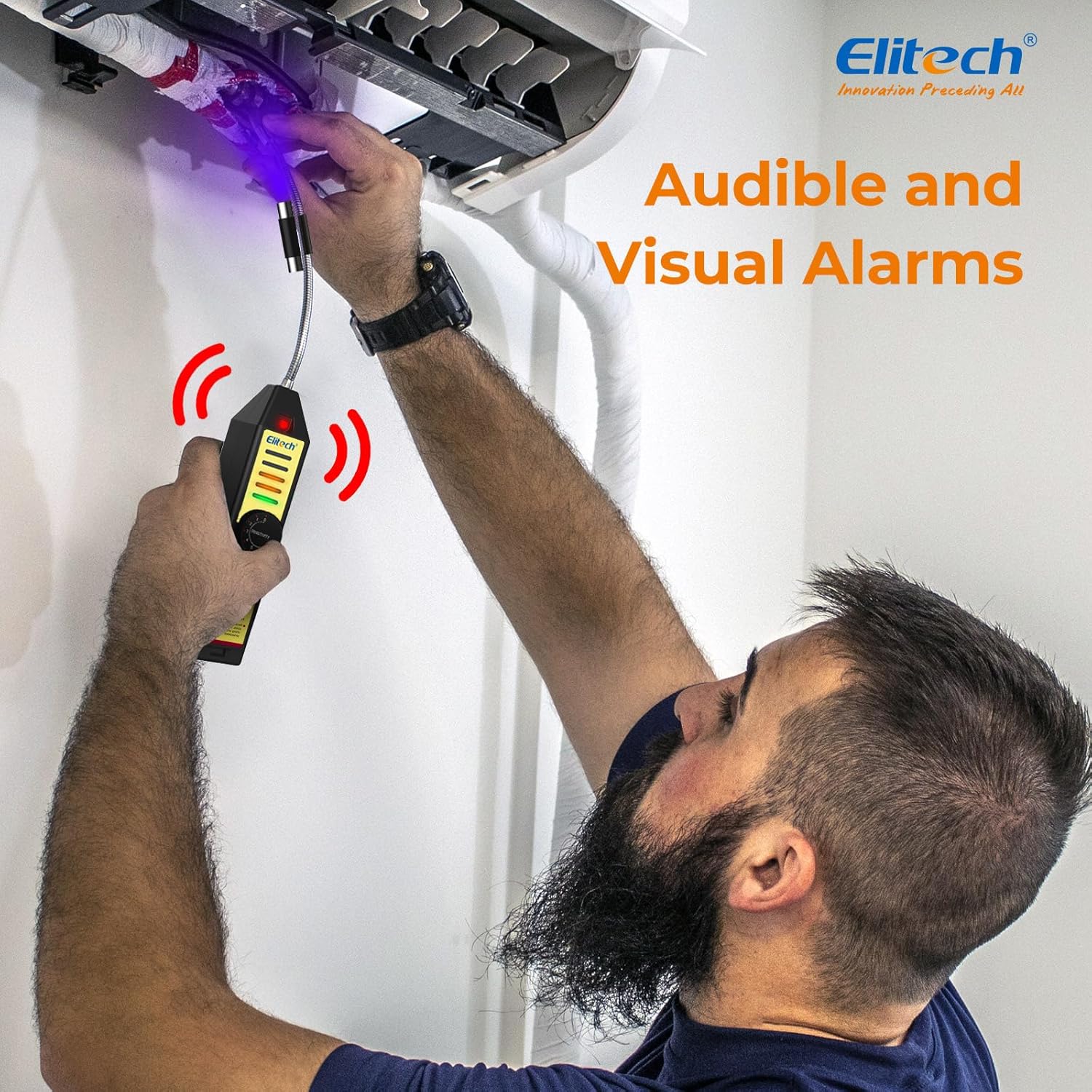
Figure 4: Detector showing audible and visual alarms during operation.
3. Refrigerant Types Detected
The WJL-6000S is designed to detect a wide range of halogenated refrigerants, including:
- HFCs: R134A, R404A, R410A, R1234YF, R407C, R417A, R507, R23, R508A, R508B, R152a, R32, etc.
- HCFCs: R22, R123, R124, R141b, R142b, R402A, R402B, R408A, R409A, etc.
- CFCs: R11, R12, R13, R502, R503, etc.
- PFCs: PFC-14, PFC-116, PFC-218, etc.
- HFO: R-1234YF

Figure 5: Comprehensive list of detectable refrigerants.
4. UV Light Functionality
The detector includes a UV light feature, useful for identifying leaks when a fluorescent agent has been added to the refrigerant system. It also functions as a white flashlight for illuminating dark and small spaces.

Figure 6: UV light and white flashlight capabilities.
Manutenzjoni
1. Cleaning the Sensor Tip
To ensure optimal performance and prevent false alarms, keep the sensor tip clean and free from contaminants such as compressor oil, dirt, moisture, or other solvents. Avoid touching the sensor tip with bare hands.
2. Sostituzzjoni tal-batterija
When the battery indicator shows low power, replace all four AAA batteries following the installation steps in the Setup section.
Issolvi l-problemi
1. False Alarms or Inconsistent Readings
- Kontaminanti: Ensure the sensor tip is clean and not in contact with any liquids, oils, or dirt.
- Kalibrazzjoni mill-ġdid: If the ticking tone becomes inconsistent or you suspect false readings, move the detector to a clean, fresh air environment and allow it to recalibrate. Adjust the sensitivity knob to a suitable degree.
- Ostruzzjoni tal-Fluss tal-Arja: Avoid pressing the probe tip directly against surfaces that might block airflow to the sensor, as this can cause false alarms.
2. No Detection
- Iċċekkja tal-batterija: Verify that the batteries are correctly installed and have sufficient charge. Replace if necessary.
- Issettjar tas-Sensittività: Ensure the sensitivity is set to an appropriate level for the expected leak size. For very small leaks, use the highest sensitivity setting.
- Poġġiment tas-Sonda: Ensure the probe is moved slowly and methodically around the suspected leak area to allow the sensor sufficient time to detect the refrigerant.
Speċifikazzjonijiet
| Karatteristika | Dettall |
|---|---|
| Brand | Elitech |
| Mudell | WJL-6000S |
| Sors tal-Enerġija | 4 AAA Lithium Metal batteries (not included) |
| Sensittività massima | 0.21 oz/yr |
| Ħin tat-tisħin minn qabel | 6 sekonda |
| Ħin ta' Rispons | 3 sekonda |
| Temperatura tax-Xogħol | 0°C sa 52°C (32°F sa 125.6°F) |
| Umdità Operattiva | 95% RH (mingħajr kondensazzjoni) |
| Tul tas-Sonda | 7.9 inches (flexible) |
| Piż tal-oġġett | 7.2 uqija |
| Dimensjonijiet tal-Prodott | 1.37"D x 1.37"W x 5.9"H |
| Allarm | Audible, Visual |
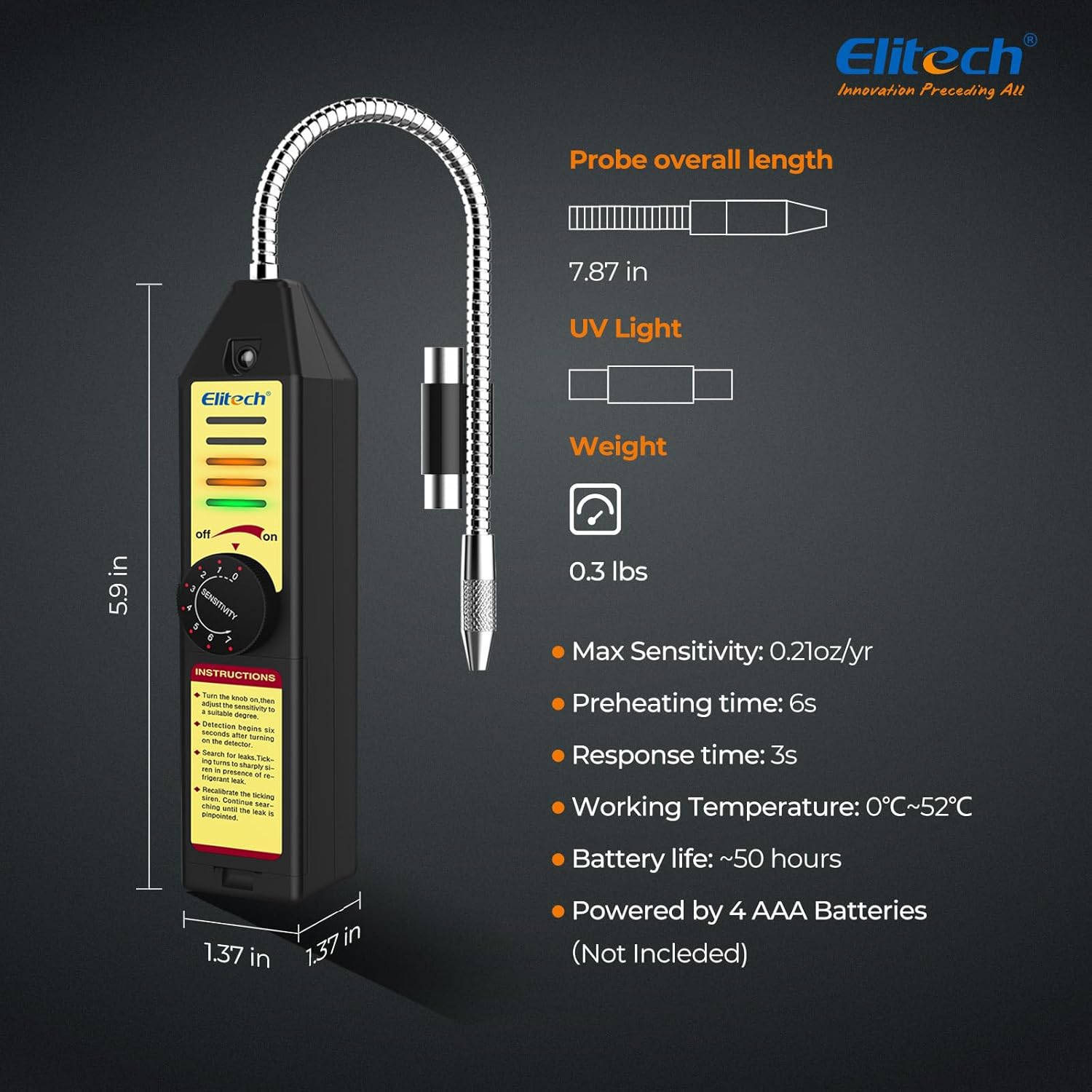
Figure 7: Detailed specifications and dimensions of the detector.
Garanzija u Appoġġ
Elitech provides 24/7 US Technician Support via Email and Phone for any inquiries or issues you may encounter with your WJL-6000S Freon Leak Detector. Please refer to the product packaging or Elitech's official webis-sit għal dettalji speċifiċi tal-garanzija u informazzjoni ta' kuntatt.


