1. Introduction to the Boeing 747
The Boeing 747, often referred to as the "Jumbo Jet," revolutionized air travel upon its commercial debut in 1970. As the world's first wide-body commercial airliner, its introduction marked a significant milestone in aviation history, making long-haul air travel more accessible and affordable.
This manual focuses primarily on the 747-400 variant, which is the most widely produced and currently the most numerous version of the 747 family still in service. It provides a comprehensive overview of the aircraft's design, operational procedures, and maintenance requirements.

Figure 1.1: The front cover of the Boeing 747 Owners' Workshop Manual, featuring a detailed cutaway illustration of the aircraft.
2. Aircraft Anatomy and Systems
Understanding the fundamental anatomy and complex systems of the Boeing 747 is crucial for both operation and maintenance. This section details the major structural components and integrated systems that enable the aircraft's performance.
2.1 Airframe Structure
The 747's airframe is designed for strength and durability, accommodating its large size and payload capacity. Key structural elements include the fuselage, wings, empennage (tail section), and landing gear.
- Fuselage: The main body of the aircraft, housing the flight deck, passenger cabins, and cargo compartments.
- Ġwienaħ: Designed with a distinctive sweep, housing fuel tanks and mounting points for the four engines.
- Empennage: Comprising the vertical and horizontal stabilizers, essential for flight stability and control.
- Tagħmir tal-inżul: A robust system designed to support the aircraft's immense weight during takeoff, landing, and ground operations.
2.2 Powerplant
The Boeing 747-400 is powered by four high-bypass turbofan engines, providing the necessary thrust for its operations. These engines are critical for propulsion, and also supply power for various aircraft systems.
2.3 Avionics and Flight Control Systems
Modern avionics and sophisticated flight control systems are integral to the 747's operation. These include navigation, communication, and automated flight management systems, all integrated to assist the flight crew.
3. Operazzjonijiet tat-Titjiriet
Operating the Boeing 747 requires extensive training and adherence to strict protocols. This section outlines key aspects of flight operations, from pre-flight checks to landing procedures.
3.1 Pre-Flight Procedures
Before each flight, pilots and ground crew conduct thorough inspections and system checks. This includes verifying fuel levels, checking control surfaces, and ensuring all onboard systems are operational.
3.2 Takeoff and Climb
Takeoff involves precise coordination between thrust application, rotation, and climb-out. The flight management system assists in optimizing climb profiles for efficiency and safety.
3.3 Cruise and Descent
During cruise, the aircraft operates at optimal altitude and speed to conserve fuel. Descent planning involves managing airspeed, altitude, and configuration changes to prepare for approach.
3.4 Proċeduri tal-Inżul
Landing requires precise control inputs, including managing flaps, landing gear, and thrust reversers. The approach and landing phases are critical for a safe and smooth touchdown.
4. Maintenance and Airworthiness
Maintaining the Boeing 747 to ensure its continued airworthiness is a rigorous process involving scheduled inspections, repairs, and component replacements. This section highlights the importance of regular maintenance.
4.1 Scheduled Maintenance Checks
The 747 undergoes various levels of maintenance checks, from daily pre-flight inspections (A-checks) to extensive heavy maintenance visits (D-checks) performed every few years. These checks ensure all systems and structures are in optimal condition.
- A-Check: Minor inspection, typically performed every 400-600 flight hours.
- C-Check: More extensive inspection, performed every 20-24 months or 5,000-6,000 flight hours.
- D-Check: The most comprehensive inspection, involving disassembly of major aircraft sections, performed every 6-10 years.
4.2 Component Overhaul and Replacement
Key components, such as engines, landing gear, and flight control actuators, have specified service lives and undergo regular overhaul or replacement to prevent failures and ensure safety.
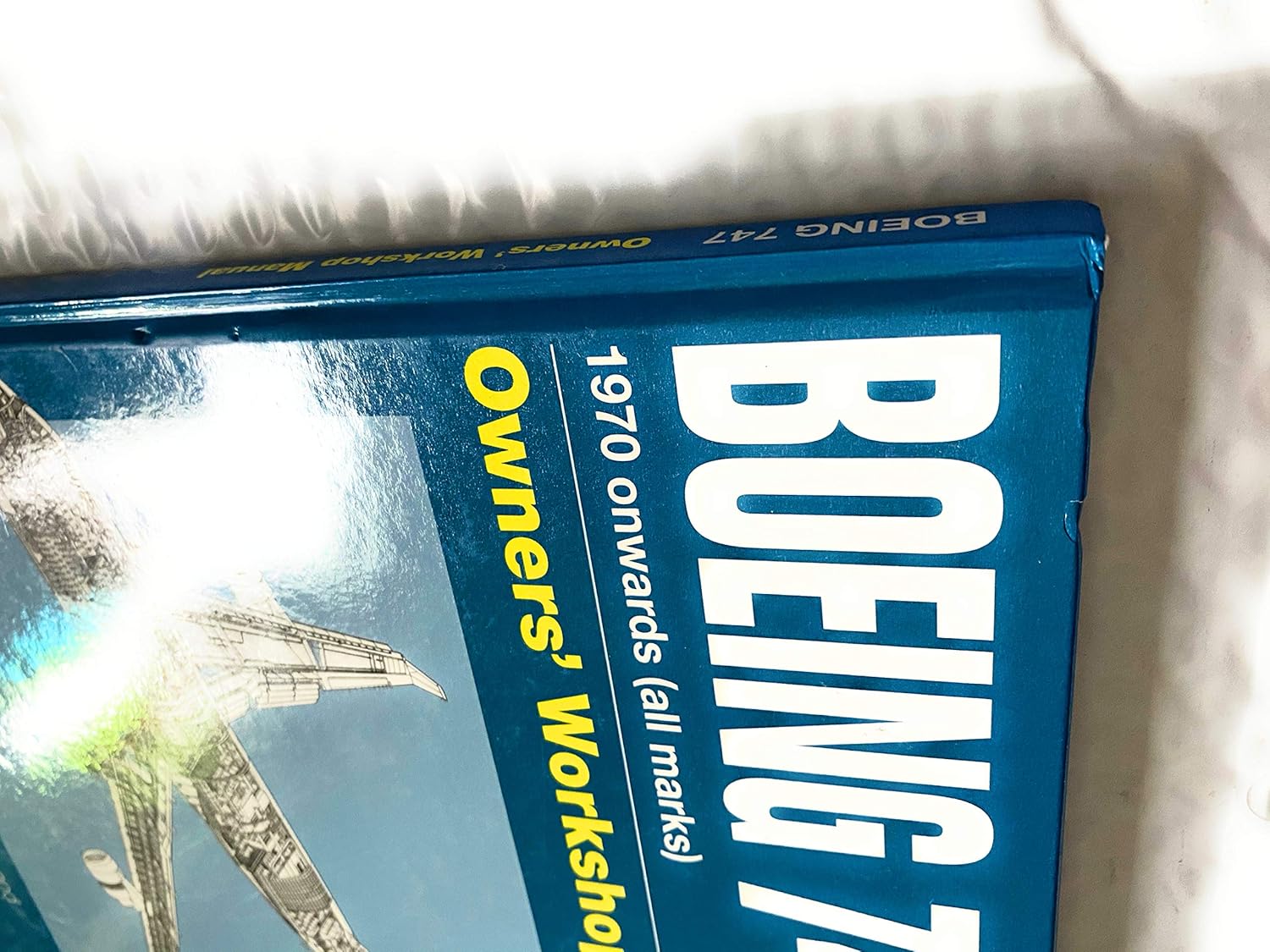
Figure 4.1: The spine of the manual, indicating its comprehensive nature as an Owners' Workshop Manual for the Boeing 747.
5. Issolvi l-problemi ta' Kwistjonijiet Komuni
While modern aircraft are highly reliable, operational issues can arise. This section provides a general overview of common troubleshooting approaches for the Boeing 747, emphasizing the importance of following official maintenance manuals and procedures.
5.1 System Malfunctions
In the event of a system malfunction, flight crews and maintenance personnel follow established checklists and diagnostic procedures. These often involve isolating the faulty component and implementing backup systems or emergency procedures.
5.2 Engine Performance Anomalies
Any deviation in engine performance, such as unusual vibrations, temperature fluctuations, or thrust issues, requires immediate investigation. Pilots are trained to identify these anomalies and take corrective action, which may include engine shutdown or diversion.
5.3 Structural Integrity Checks
Regular visual inspections and non-destructive testing are performed to detect any signs of fatigue, corrosion, or damage to the airframe. Prompt identification and repair of structural issues are paramount for safety.
6. Technical Specifications (Boeing 747-400)
The following table provides key technical specifications for the Boeing 747-400, the primary focus of this manual.
| Speċifikazzjoni | Dettall |
|---|---|
| Pubblikatur | Zenith Press |
| Data tal-Pubblikazzjoni | 15 ta’ Settembru, 2012 |
| Edizzjoni | 1 |
| Lingwa | Ingliż |
| Tul tal-Istampar | 160 paġna |
| ISBN-10 | 0760342938 |
| ISBN-13 | 978-0760342930 |
| Piż tal-oġġett | 1.75 liri |
| Dimensjonijiet | 8.5 x 0.63 x 11 pulzieri |

Figura 6.1: Close-up view of the manual's corner, highlighting its physical quality.
7. Appoġġ u Riżorsi
This manual serves as an insightful guide into the Boeing 747. For official operational and maintenance procedures, always refer to the aircraft's certified flight manuals, maintenance handbooks, and regulatory authority guidelines.
As this is a historical and educational manual, direct product support or warranty information for the aircraft itself is not applicable through this publication. For inquiries related to the manual's content or publication, please contact the publisher, Zenith Press.
- Pubblikatur: Zenith Press
- Official Boeing Resources: Irreferi għal Boeing's official websit for general information on their aircraft.
- Aviation Authorities: Consult your local aviation regulatory body (e.g., FAA in the US, EASA in Europe) for airworthiness directives and operational regulations.


