1. Introduzzjoni
This manual provides essential information for the proper installation, operation, and maintenance of your Genuine Rear Ceramic Disc Brake Pads, model 04466-33220. Adhering to these instructions will help ensure optimal performance and longevity of the product. For safety, professional installation is highly recommended.
2. Kompatibilità
These rear ceramic disc brake pads are designed for specific vehicle models and years. Please verify your vehicle's compatibility before installation.
- Toyota Avalon: 2008-2018
- Toyota Camry: 2007-2021
- Toyota Matrix: 2009-2013
- Toyota RAV4: 2006-2018
- Lexus ES300h: 2013-2018
- Lexus ES350: 2007-2018
- Lexus HS250h: 2010-2012
- Pontiac Vibe: 2009-2010
Numri ta' Referenza: P-1212, CFC1212, 04466-33160, 04466-33210, 04466-33200, 04466-06060, 04466-06090, 04466-06200, 04466-42060, 04466-33180. These pads are suitable for the rear left and right (driver and passenger) sides.
3. Kontenut tal-Pakkett
Malli tiftaħ il-pakkett, jekk jogħġbok kun żgur li l-komponenti kollha huma preżenti u mhux imħassra:
- 4x Disc Ceramic Brake Pads (for both rear wheels)
- Brake Lubricant (High-temperature Grease)
- Ħardwer tal-Installazzjoni
Jekk xi oġġetti huma nieqsa jew bil-ħsara, jekk jogħġbok ikkuntattja lill-fornitur tiegħek immedjatament.
4. Speċifikazzjonijiet
These brake pads are engineered for performance and durability:
- Materjal: Ceramic (MTF602 carbon ceramic formula)
- Prestazzjoni: Designed for low dust and noise reduction.
- Konformità Ambjentali: Meets Leaf Mark certification with copper content less than 5%.
- Durabilità: Tested with a 72-hour salt spray test to ensure performance in extreme conditions.
- Pożizzjoni: Fus ta' wara
- Piż tal-oġġett: Madwar 1.06 Kilogrammi
- Numru tal-Parti tal-Manifattur: 04466-33220
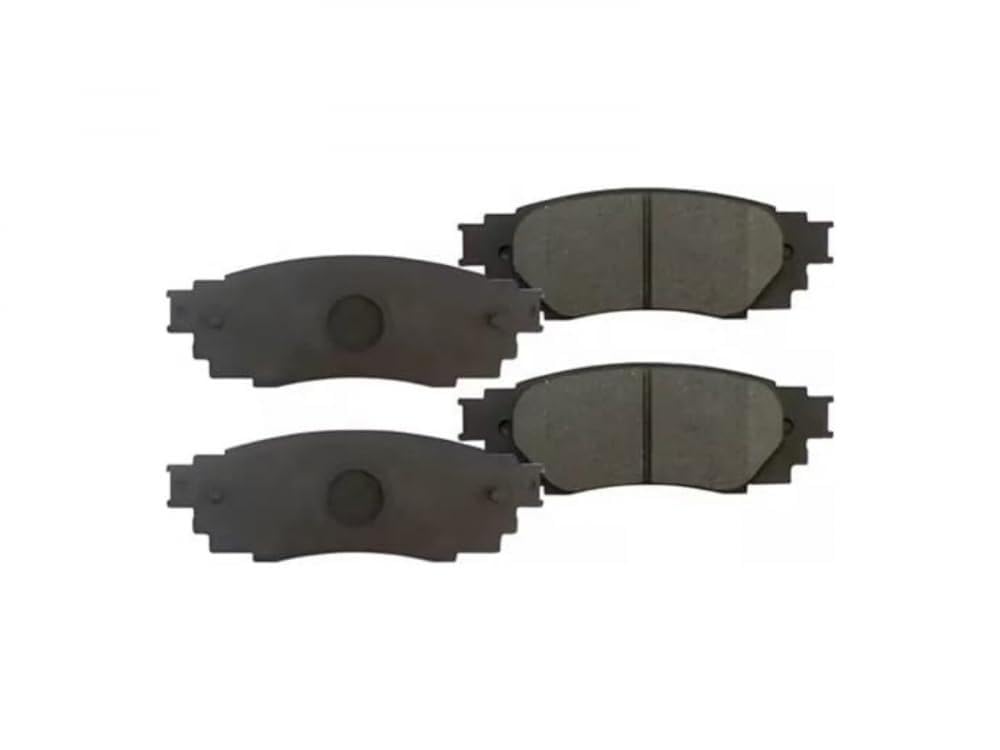
Image: Genuine Rear Ceramic Disc Brake Pads, model 04466-33220. This image displays the brake pads and associated hardware included in the package.
5. Installazzjoni / Setup
Brake system components are critical for vehicle safety. Incorrect installation can lead to serious accidents. It is strongly recommended that brake pad replacement be performed by a qualified automotive technician.
Prekawzjonijiet tas-Sigurtà:
- Dejjem ilbes tagħmir protettiv personali (PPE) xieraq, inklużi nuċċalijiet u ingwanti tas-sigurtà.
- Kun żgur li l-vettura tkun appoġġjata sew fuq stands tal-ġakk fuq wiċċ livell qabel tibda x-xogħol.
- Qatt ma tiddependi biss fuq ġakk biex isostni l-vettura.
- Irreferi għall-manwal tas-servizz tal-vettura tiegħek għal speċifikazzjonijiet u proċeduri speċifiċi tat-torque.
General Installation Steps (Consult a professional):
- Safely lift and support the vehicle, then remove the rear wheels.
- Remove the brake caliper bolts and carefully detach the caliper from the rotor. Do not let the caliper hang by the brake hose.
- Remove the old brake pads from the caliper bracket.
- Clean the caliper and caliper bracket thoroughly, removing any rust or debris.
- Apply the provided high-temperature brake lubricant to the caliper slide pins and any metal-to-metal contact points on the new pads and hardware.
- Install the new brake pads and hardware into the caliper bracket.
- Use a caliper piston compression tool to retract the caliper pistons.
- Reinstall the caliper over the new pads and rotor, tightening the caliper bolts to the manufacturer's specified torque.
- Irrepeti għan-naħa l-oħra.
- Before driving, pump the brake pedal several times until it feels firm. Check the brake fluid level.
- Perform a proper brake pad break-in procedure as recommended by the vehicle or brake pad manufacturer.
6. Prinċipji Operattivi
Disc brake pads function by creating friction against the brake rotor when the brake pedal is pressed. This friction converts kinetic energy into thermal energy, slowing and stopping the vehicle. Ceramic brake pads are known for their quiet operation, reduced dust production, and consistent performance across various temperatures.
Brake-in Procedure: After installation, a proper break-in (or bedding-in) procedure is crucial for optimal performance and longevity. This typically involves a series of moderate stops from varying speeds to properly seat the pads against the rotors. Consult your vehicle's manual or a professional for the recommended procedure.
7. Manutenzjoni
L-ispezzjoni u l-manutenzjoni regolari tas-sistema tal-brejkijiet tiegħek huma vitali għas-sigurtà u l-prestazzjoni.
- Spezzjoni ta' Rutina: Have your brake pads, rotors, and fluid inspected by a qualified technician at least once a year or every 10,000-15,000 miles (16,000-24,000 km), or as recommended by your vehicle manufacturer.
- Ilbies tal-kuxxinett: Brake pads have wear indicators that will typically produce a squealing sound when they are nearing the end of their lifespan. Do not ignore these warnings.
- Livell tal-Fluwidu: Check your brake fluid level regularly. A low fluid level can indicate worn pads or a leak in the system.
- Kundizzjoni tar-Rotor: Ensure brake rotors are free from deep grooves, cracks, or excessive rust. Rotors may need to be resurfaced or replaced when installing new pads.
8 Issolvi l-problemi
If you experience any issues with your brakes, it is crucial to address them immediately. Do not operate a vehicle with compromised brakes.
- Ħoss ta' tgħajjir/tħin: This often indicates worn brake pads that need replacement. Grinding can mean metal-on-metal contact, which is dangerous and damaging to rotors.
- Vibration During Braking: This can be caused by warped rotors, uneven pad wear, or loose components.
- Soft or Spongy Pedal: May indicate air in the brake lines, low brake fluid, or a faulty master cylinder.
- Pulling to One Side: Could be due to uneven brake pad wear, a seized caliper, or a problem with the brake hose.
If you encounter any of these symptoms, have your vehicle inspected by a professional technician without delay.
9. Garanzija u Appoġġ
These ceramic disc brake pads come with a one-year unlimited-mileage guarantee. This warranty covers manufacturing defects and ensures the quality of the product under normal operating conditions.
For warranty claims, technical assistance, or further inquiries, please contact your point of purchase or the manufacturer directly. Keep your purchase receipt as proof of purchase.


