
1. Introduzzjoni u Fuqview
The TELE System YM101 Portable Pulse Oximeter is a non-invasive device designed for spot-checking arterial hemoglobin oxygen saturation (SpO2) and pulse rate (PR) in adults and pediatric patients at home or in clinical settings. It also indicates the Perfusion Index (PI). This device is simple to operate and provides quick, reliable measurements.
The YM101 is particularly useful for individuals with conditions such as asthma, chronic bronchitis, COPD, or pneumonia, or simply for monitoring blood oxygen levels in patients experiencing fever, cough, or shortness of breath. This pulse oximeter is a certified medical device.
2. Informazzjoni dwar is-Sigurtà
- Aqra l-istruzzjonijiet kollha bir-reqqa qabel l-użu.
- This device is intended for non-invasive spot-checking of SpO2 and pulse rate. It is not intended for continuous monitoring.
- Consult a medical professional for interpretation of results. Self-diagnosis and self-treatment based on measurements can be dangerous.
- Tużax l-apparat f'ambjent MRI jew CT.
- Żomm l-apparat 'il bogħod mill-ilma u l-umdità.
- Do not use the device on the same finger for more than 5 minutes to avoid discomfort or injury due to prolonged pressure.
- Żomm fejn ma jintlaħaqx mit-tfal.
3. Komponenti tal-Prodott
The TELE System YM101 Pulse Oximeter consists of several key components:
- 1.5" LED Display: Shows SpO2, pulse rate, perfusion index, and bar graph.
- Buttuna: For power on/off and display mode changes.
- Sensor: Integrated infrared sensor for measurement.
- MCU (Microcontroller Unit): Processes data.
- Qoxra tal-batterija: Jipproteġi l-kompartiment tal-batterija.

Figura 3.1: Sploda view of the YM101 Pulse Oximeter components.
4. Setup
Before first use, install the batteries:
- Open the battery cover located at the back of the device.
- Insert two (2) AAAA batteries according to the polarity indicators (+/-) inside the compartment. Note: Batteries are not included with the device.
- Agħlaq l-għatu tal-batterija sew.

Figura 4.1: Ġenb view of the YM101 Pulse Oximeter.
5. Istruzzjonijiet Operattivi
Segwi dawn il-passi biex tieħu kejl:
- Ensure the device has batteries installed.
- Iftaħ il-clamp tal-ossimetru tal-polz.
- Insert one of your fingers (preferably the index finger) into the rubber opening of the oximeter, ensuring the nail is facing upwards towards the display.
- Eħles il-clamp. The device will automatically power on and begin measurement.
- Keep your hand still during the measurement. The display will show your SpO2 percentage, pulse rate (BPM/PR), and Perfusion Index (PI). A bar graph will also indicate pulse intensity.
- To change the display orientation or brightness, briefly press the power button while the device is on. The 1.5" LED display offers 3 levels of brightness.
- The device can be set to alarm if SpO2 or bpmPR limits are exceeded. Refer to the full manual for alarm setting details.
- Remove your finger from the device. The oximeter will automatically power off after a few seconds of inactivity.

Figure 5.1: YM101 Pulse Oximeter in use, displaying readings.
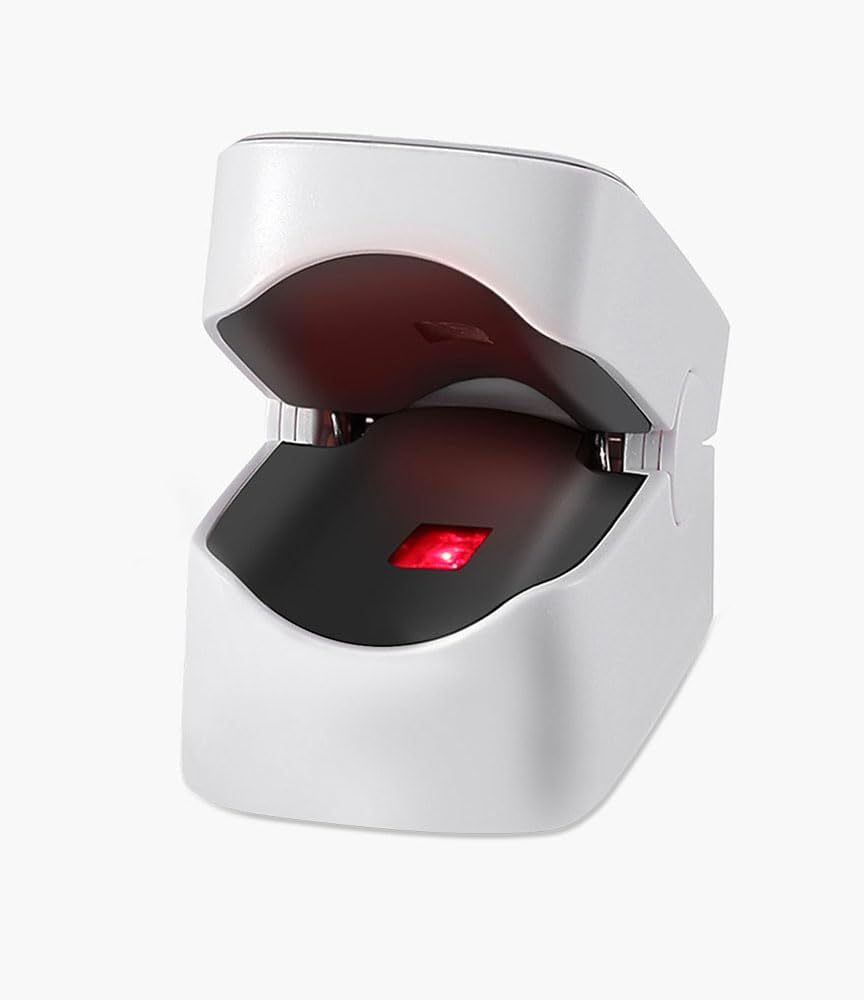
Figura 5.2: Intern view of the YM101 Pulse Oximeter sensor.
6. Manutenzjoni
- Tindif: Imsaħ l-apparat b'ċarruta ratba dampened with alcohol (70% ethanol or isopropanol) before and after each use. Do not immerse the device in liquid.
- Ħażna: Aħżen l-ossimetru f'post frisk u niexef, 'il bogħod mix-xemx diretta u minn temperaturi estremi.
- Sostituzzjoni tal-batterija: Ibdel il-batteriji meta jidher l-indikatur ta’ batterija baxxa fuq id-displej. Neħħi l-batteriji jekk l-apparat ma jkunx se jintuża għal perjodu twil ta’ żmien.
- Rimi: Dispose of the device and batteries according to local environmental regulations.
7 Issolvi l-problemi
| Problema | Kawża Possibbli | Soluzzjoni |
|---|---|---|
| L-ebda wiri wara li tagħfas il-buttuna tal-qawwa | Il-batteriji huma mejta jew imdaħħla ħażin. | Ibdel il-batteriji jew erġa’ daħħalhom bil-polarità korretta. |
| Qari mhux preċiż jew instabbli | Finger not inserted properly; patient movement; cold finger; nail polish. | Reinsert finger correctly; remain still; warm the finger; remove nail polish. |
| "Finger Out" message | Saba’ mhux skopert jew imneħħi. | Insert finger fully into the device. |
8. Speċifikazzjonijiet
- Ditta: Sistema TELE
- Mudell: YM101
- Wiri: 1.5" LED, 3 brightness levels
- Medda ta' Kejl: SpO2: 70-100%
- Eżattezza: SpO2: ±1% / Pulse Rate: ±1 bpm
- Indications/Measurements: SpO2%, Heart Rate (BPM/PR), Perfusion Index (PI), Bar Graph
- Sors tal-Enerġija: 2 x AAAA batteries (not included)
- Kulur: Abjad
- Dimensjonijiet: Approximately 57mm (Length) x 31mm (Width)
- Referenza tal-Manifattur: 96010001
- Pajjiż ta' Oriġini: Iċ-Ċina

Figure 8.1: Dimensions of the YM101 Pulse Oximeter.
9. Garanzija u Appoġġ
For warranty information, technical support, or service inquiries regarding your TELE System YM101 Pulse Oximeter, please refer to the warranty card included in your product packaging or visit the official TELE System website. You may also contact TELE System customer service directly for assistance.
Manifattur: Sistema TELE
Ditta: Sistema TELE
Kuntatt: Please refer to the contact information provided in your product packaging or on the official TELE System websit.